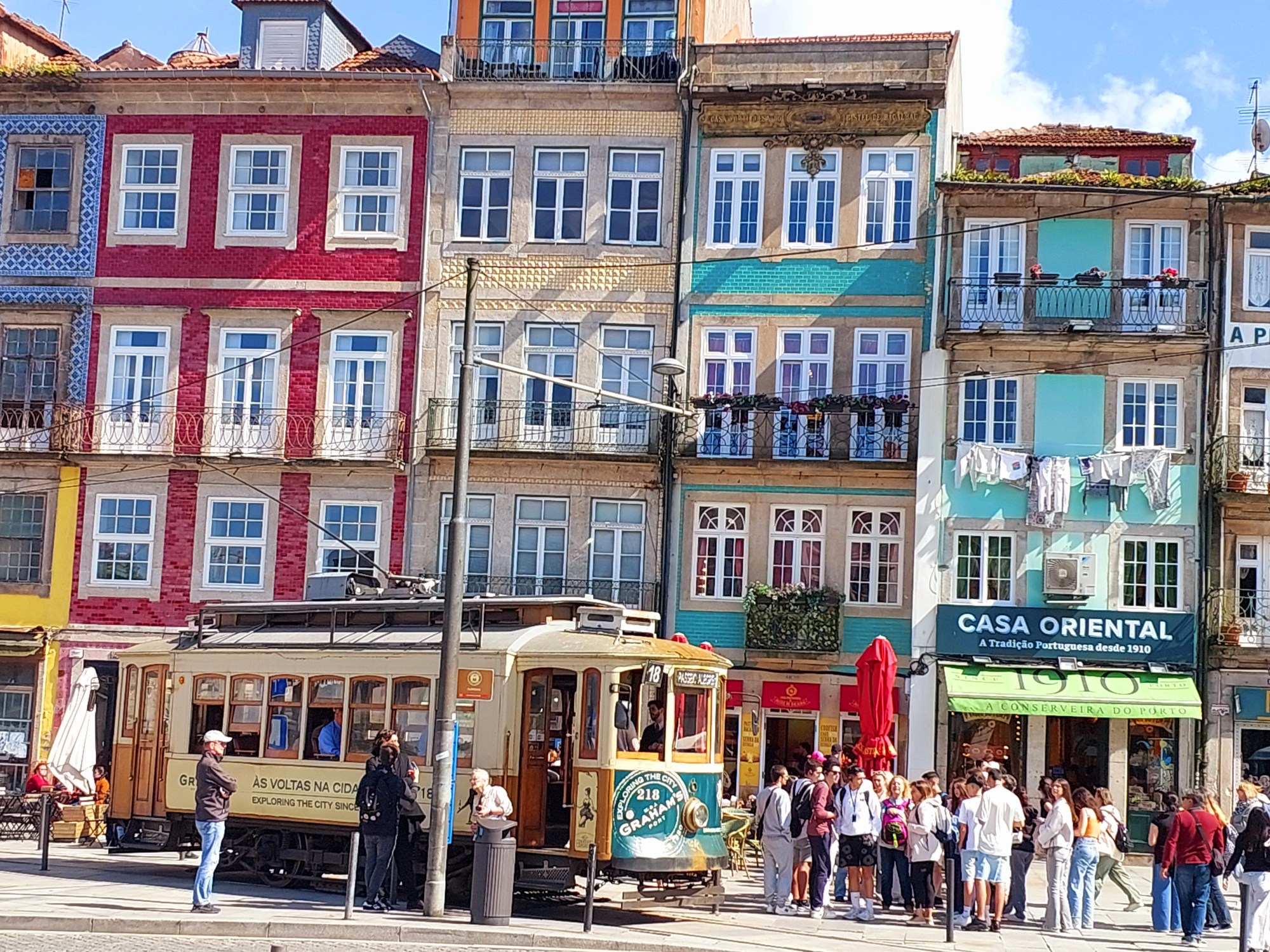
Exploring Port Wine in Porto
When you think of Porto, one thing inevitably comes to mind—Port wine. This rich, fortified wine has shaped the city’s culture, economy, and global identity for centuries. Whether you’re a wine connoisseur or just a curious traveler, a visit to Porto offers a fascinating journey. You will explore the history, production, and tasting of one of Portugal’s most iconic exports.
The History of Port Wine
The story of Port wine dates back to the late 17th century. This was a time of political tension between England and France. The English sought alternatives to French wine. They discovered the Douro Valley in northern Portugal, a rugged, terraced landscape ideal for grape growing.
To withstand the long sea journey to England, winemakers began adding brandy to the wine. This process fortified the wine. It gave birth to what we now know as Port wine.
Once produced, the wine was traditionally transported down the Douro River.
It was carried in flat-bottomed boats called Rabelos. These boats journeyed to Vila Nova de Gaia, a district located just across the river from Porto.
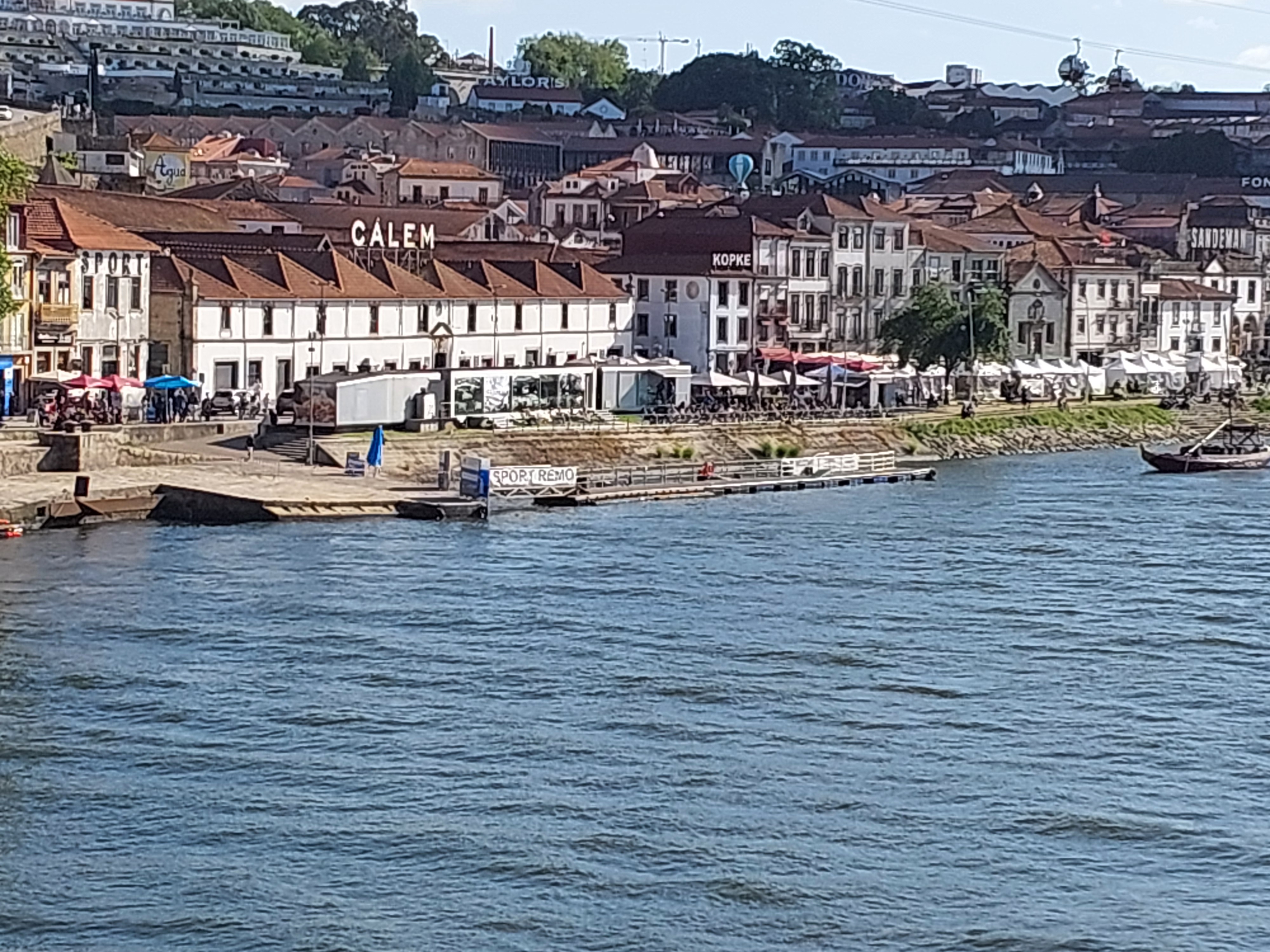
Its proximity to the Atlantic, Porto quickly became the main center for aging this unique wine. It also became central for exporting and perfecting it.
The cellars in the Gaia district became institutions in themselves. They stored barrels and developed the techniques of aging wine.
These advancements brought Port wine to international acclaim. Renowned names like Sandeman, Graham’s, and Cálem have been here since the early days, and continue to lead the Port wine legacy.
What Makes Port Wine Unique?
Port is a fortified wine, meaning it has a higher alcohol content (usually around 19–20%) than regular wine. This is achieved by adding grape brandy during fermentation, which stops the process early, preserving the wine’s natural sweetness.
The aging process is just as important. Stored in large wooden barrels, the wine develops its flavor profile over time—ranging from fruity and fresh to rich, nutty, and complex.

Where Is Port Wine Grown?
The heart of Port wine lies in the Douro Valley, about 100 kilometers east of Porto.
This region is now protected by Geographical Indication (GI) status, meaning only wine produced here can legally be called Port.
Grapes are grown on steep terraced vineyards. They are harvested and transformed into wine. The wine is then transported to the cellars in Vila Nova de Gaia for aging and export.
Types of Port Wine
There are four main styles of Port, each with its own unique character:
1. Ruby Port
- Deep red and fruity
- Aged for a short time in large oak vats
- Flavors of berries and plums
- Vibrant and youthful
2. Tawny Port
- Amber or golden-brown color
- Aged in smaller barrels for longer periods
- Flavors of nuts, caramel, and dried fruits
- Smooth, mellow, and complex
3. White Port
- Made from white grapes
- Often dry and citrusy
- Flavors of apples, citrus, and floral notes
- Usually served chilled
4. Rosé Port
- A modern twist on Port
- Light and refreshing
- Flavors of red berries
- Best served chilled as an aperitif
Wine Tasting in Porto: Where to Go
If you’re visiting Porto, wine tasting is a must. The wine houses in Vila Nova de Gaia offer immersive tours. You can explore the aging cellars. You learn about the wine-making process. You also sample different styles of Port.
Some top wine houses to consider:
- Sandeman
- Graham’s
- Cálem
For a deeper dive into Port’s origins, take a day trip to the Douro Valley.
Many vineyards offer full-day experiences. These include lunch, wine tasting, and tours of the vineyards. Whether you stay local or venture into the valley, there’s a Port wine experience to match your schedule.
My Experience at Cálem: Wine & Fado
With limited time in Porto, I chose to visit Cálem. A guided tour there, offered wine tasting with a Fado performance. This was a perfect way for me to experience two iconic Portuguese traditions at once.
The house of Cálem can be reached by crossing the Dom Luís I Bridge that spans across the Douro river.
The tour was scheduled to start at 7 p.m. It was a sunny evening with a light breeze.
The Dom Luís I Bridge is an iconic structure connecting Porto to Vila Nova de Gaia. It was built by Théophile Seyrig, who was a student of Gustave Eiffel — the man behind the Eiffel Tower.
As I crossed the bridge, I could see the architectural similarities in their sweeping ironwork and grand arches.
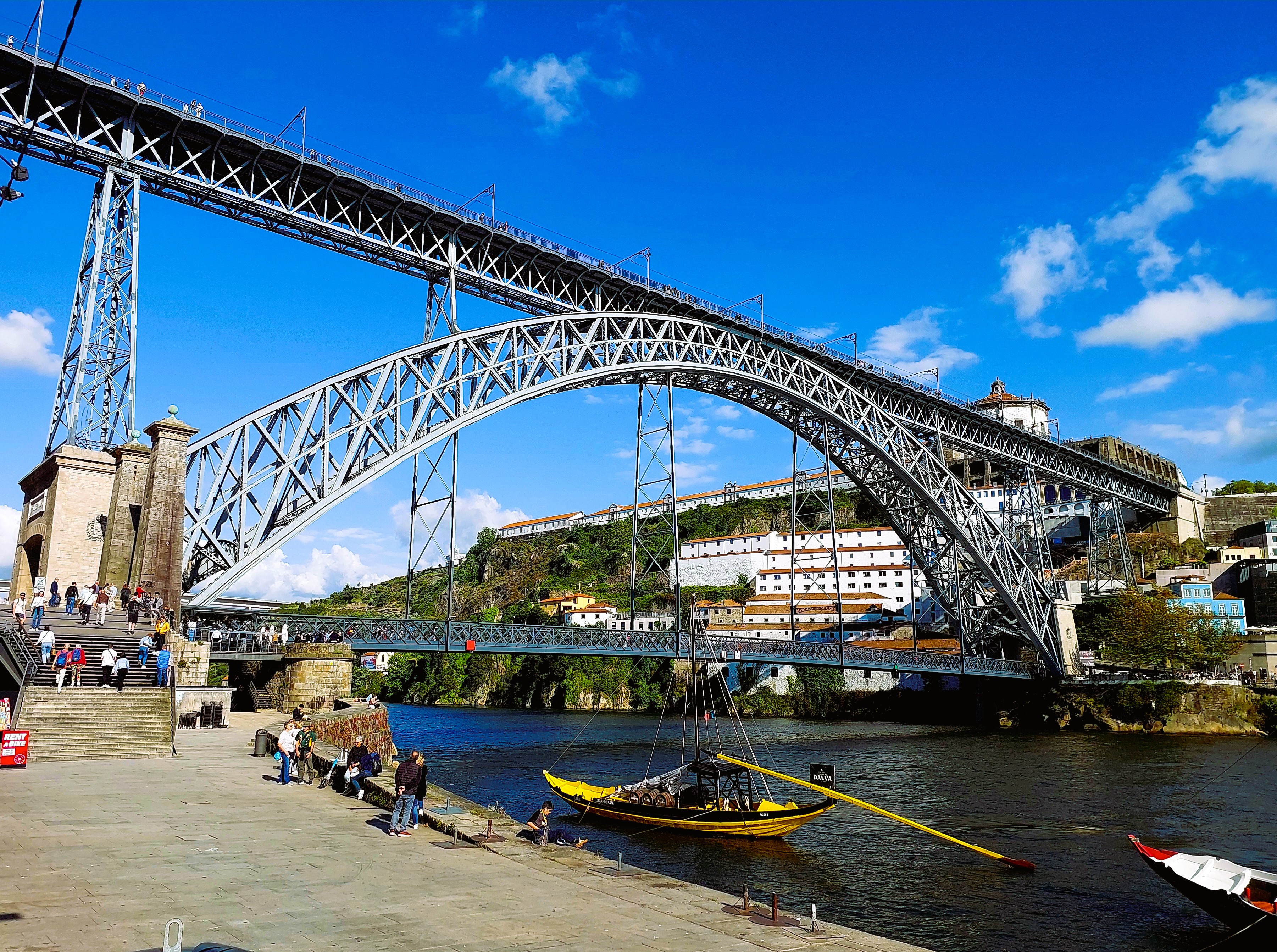
Just a few steps away from the bridge stood Cálem, one of the many historic port wine cellars lining the riverbank.
The guided tour began with an explanation of the history of the Douro Valley and its wine.
We were then led into the cellars, where we could see the huge barrels holding the wine, and an explanation was given of the aging process.
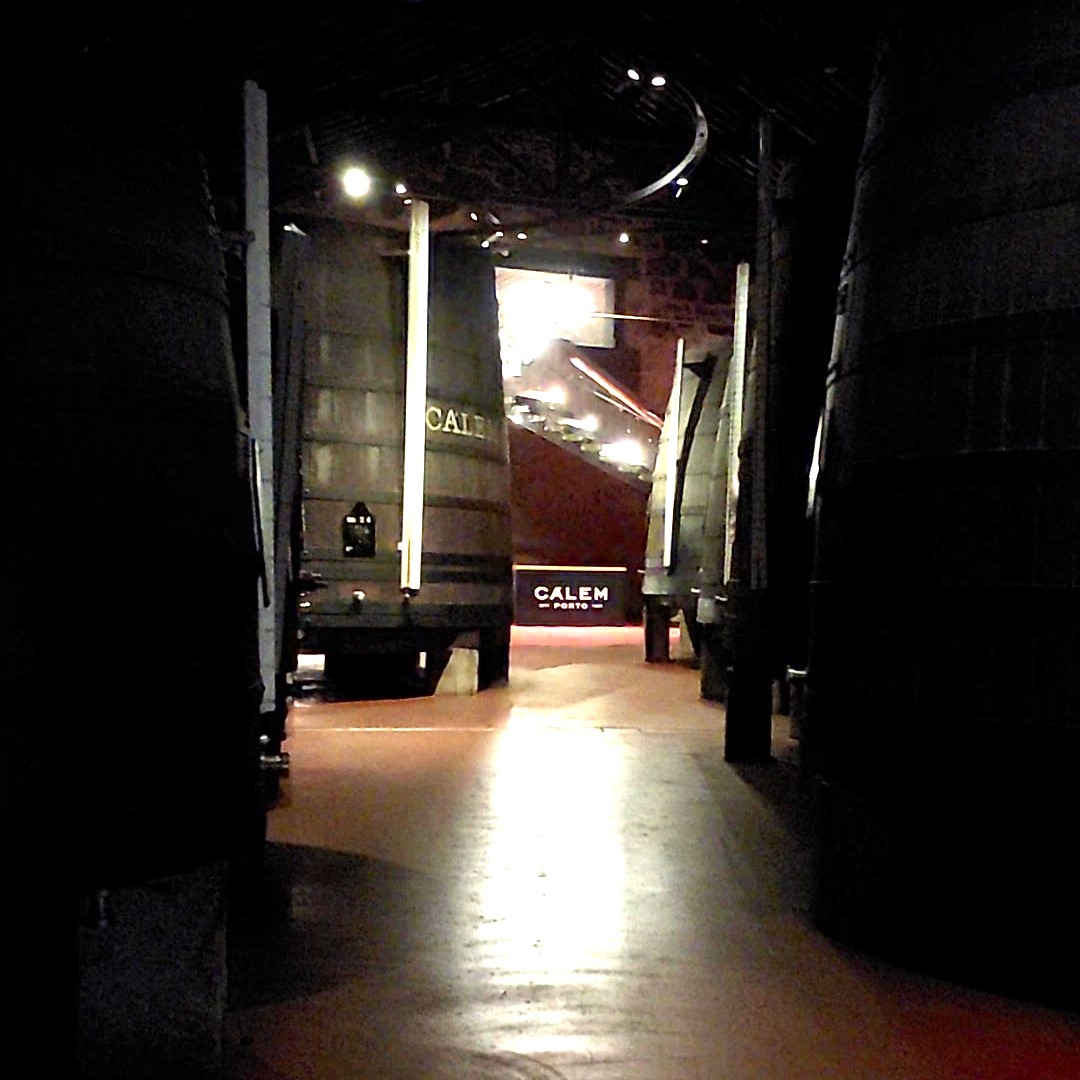
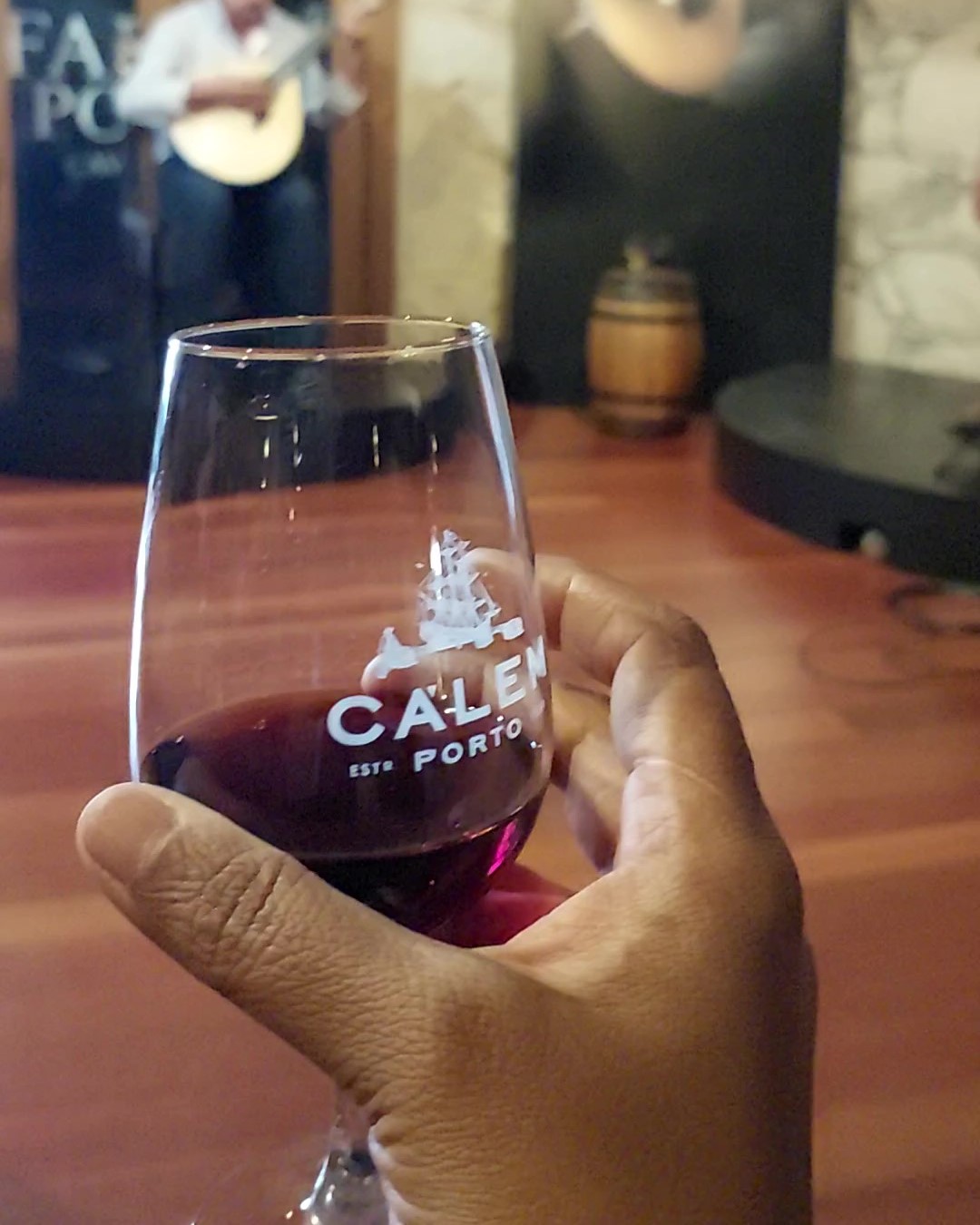
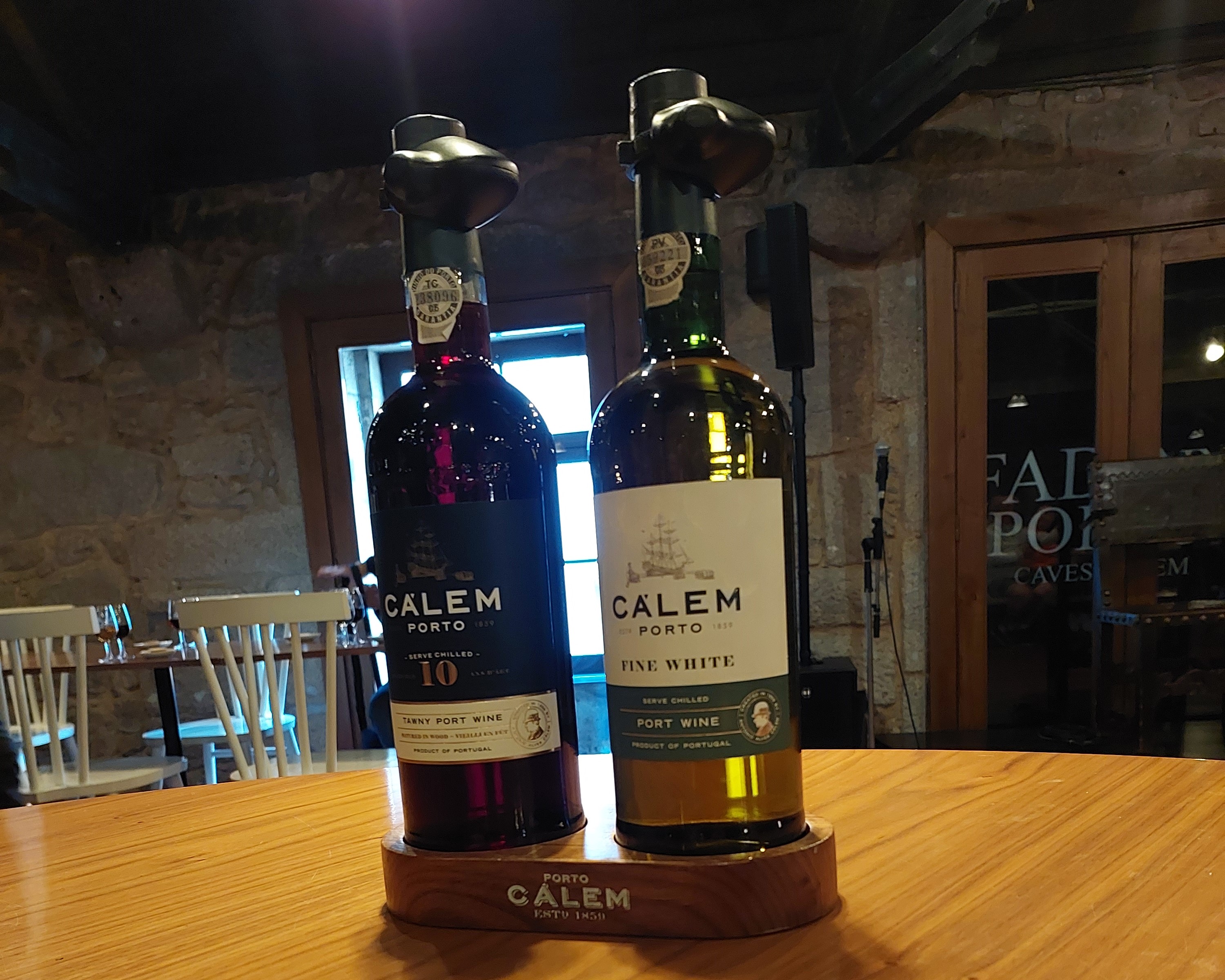
After that, we were ushered into another room for the tasting, which included two Ports: White Port and Tawny Port
As we sipped, the lights dimmed and the Fado music began.
Originating in Lisbon, Fado is a soulful genre traditionally sung by the working class. The songs are rich with emotion, often expressing longing, sorrow, and the beauty of life’s hardships.
A lady and gentleman led the singing while 2 men played the guitarra portuguesa (Portuguese Guitar) in the background.
I could not understand the songs, but, the warmth of the wine and the heartfelt Fado rendition made the evening truly memorable.
Final Thoughts
Porto offers a rich and flavorful slice of the Portuguese culture through its wine and Fado. If you’re a wine enthusiast or a curious traveler, Porto is the perfect place to explore this heritage.
Whether you wander the cellars of Vila Nova de Gaia or venture out to the vineyards of the Douro Valley, one thing is for sure, you’ll never look at wine the same way again.
Planning a trip to Porto or the Douro Valley? Let me know if you would like tips or a sample itinerary!
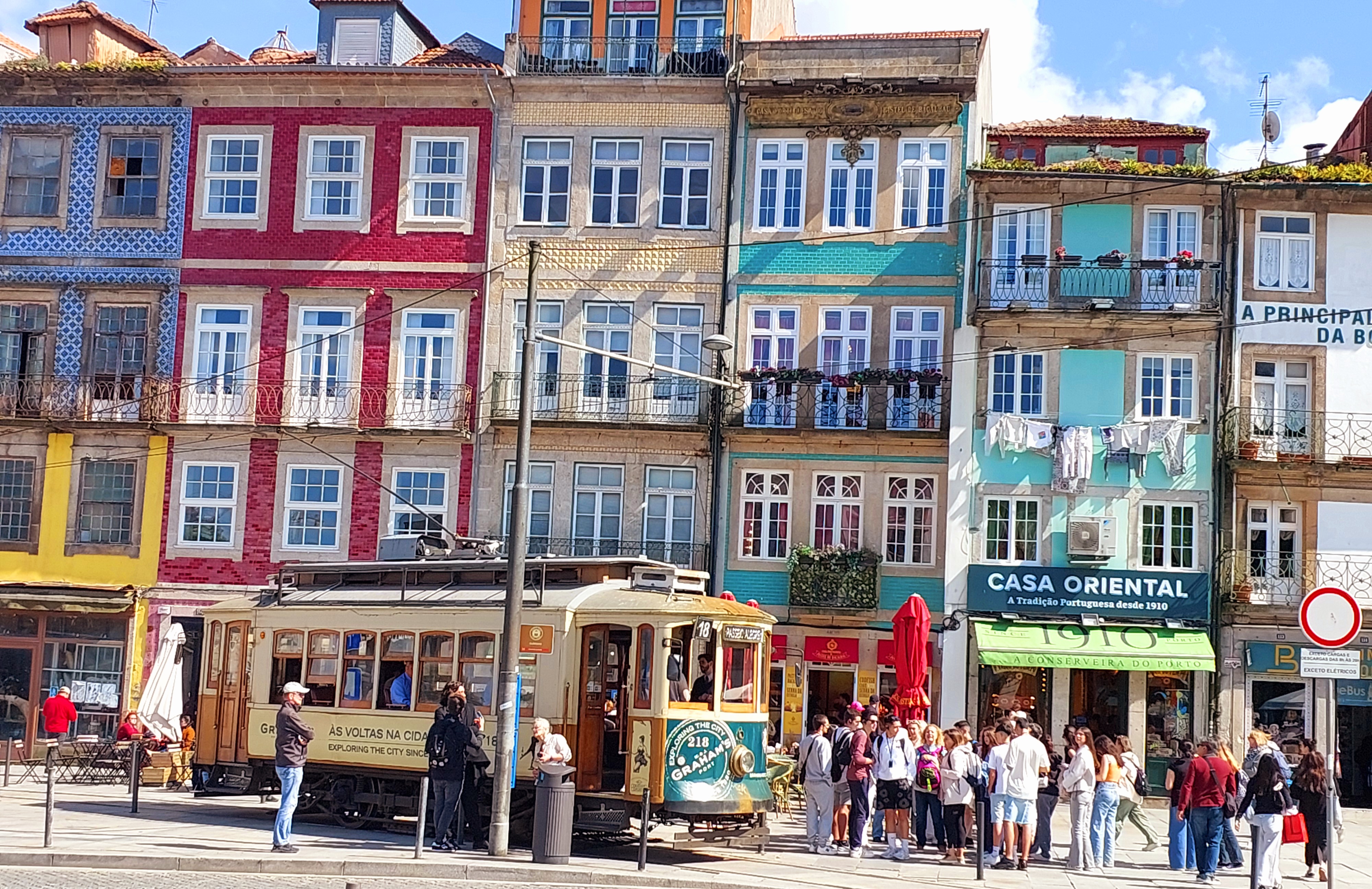


My favourite Portuguese big city!
LikeLike
I can understand why 😊
LikeLike