Salento is a quaint town nestled in the Quindío region of Colombia.
Surrounded by rolling hills and blessed with a cool, rainy climate, this area is ideal for growing coffee.
Quindío and its neighboring regions form what’s called the Zona Cafeteria. This is Colombia’s Coffee Cultural Landscape, recognized as a UNESCO World Heritage Site.
It is from here that some of the world’s finest coffee originates.
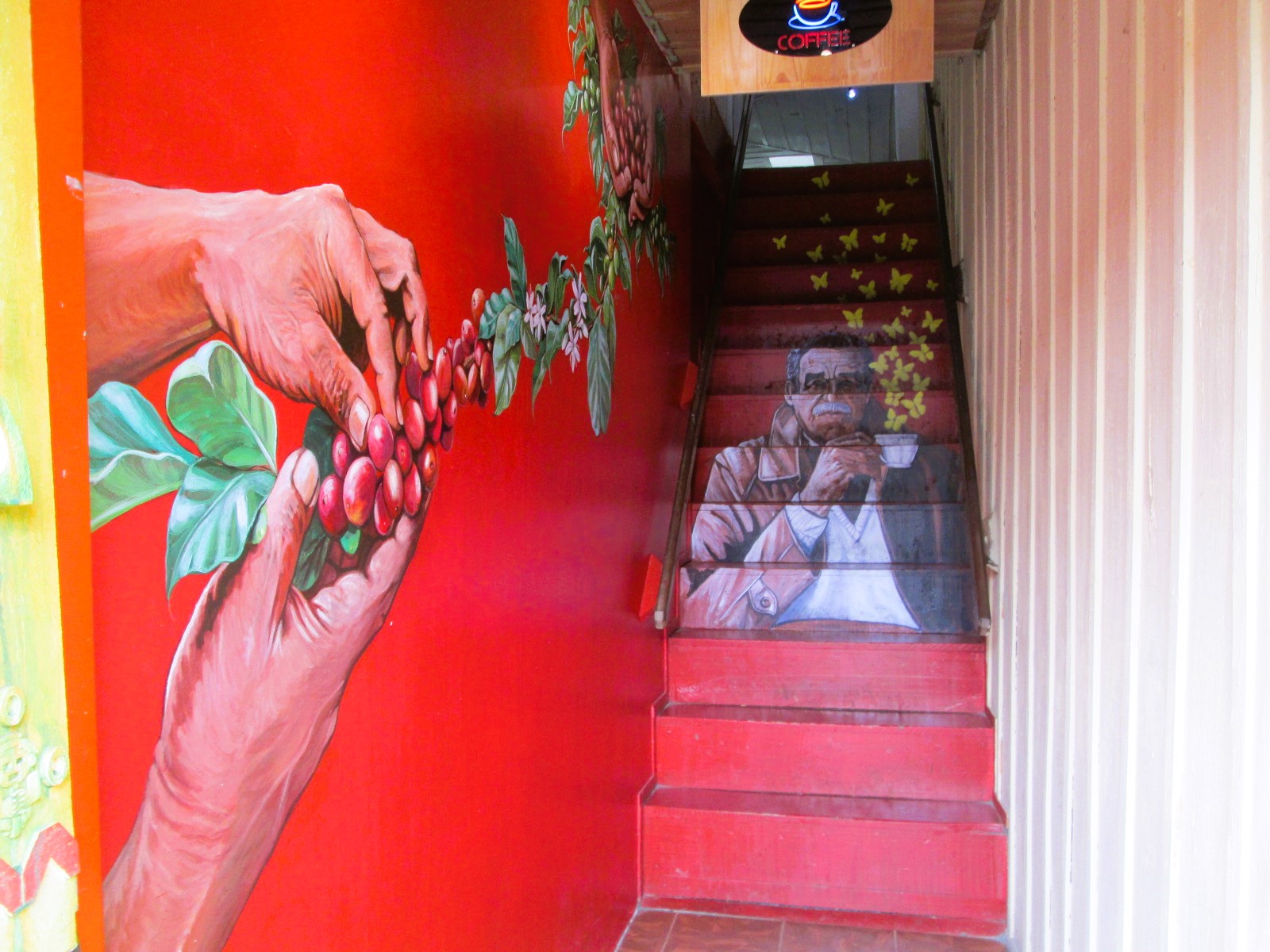
The lush hills around Salento are dotted with small coffee farms offering farm-to-cup experiences.
I chose to stay on one such farm on the outskirts of town.
There, the coffee-making process was shown to us step-by-step. It was done entirely by hand, in small batches, just for the few of us.
This is the story of my Java Journey — from the farm to my cup.
Go to the Source
Our journey began right on the coffee farm, nestled among green hills and fertile soil. I learned about the two main coffee varieties:
- Arabica — smooth, complex, and aromatic.
- Robusta — stronger, more bitter, and more caffeinated.
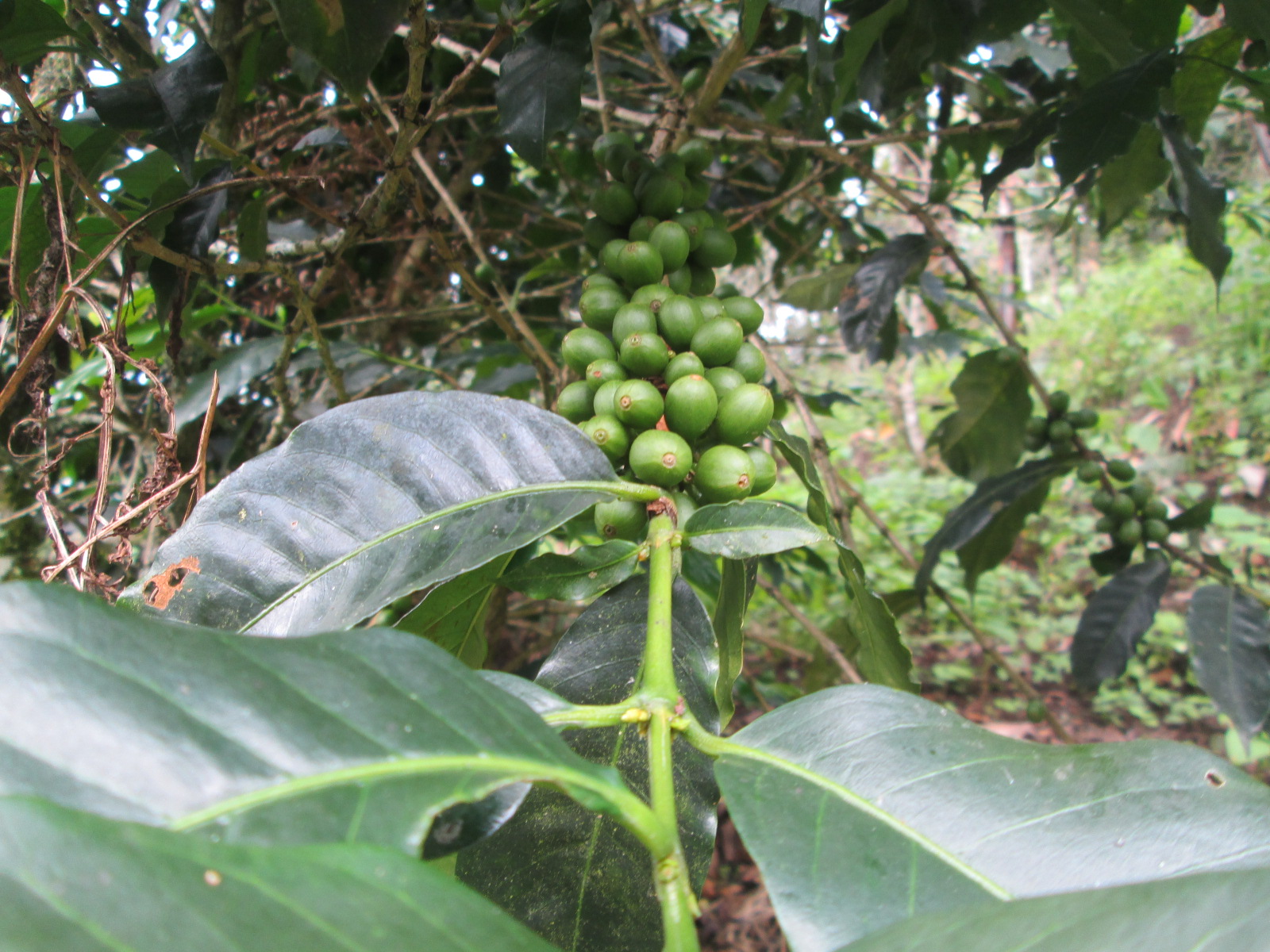
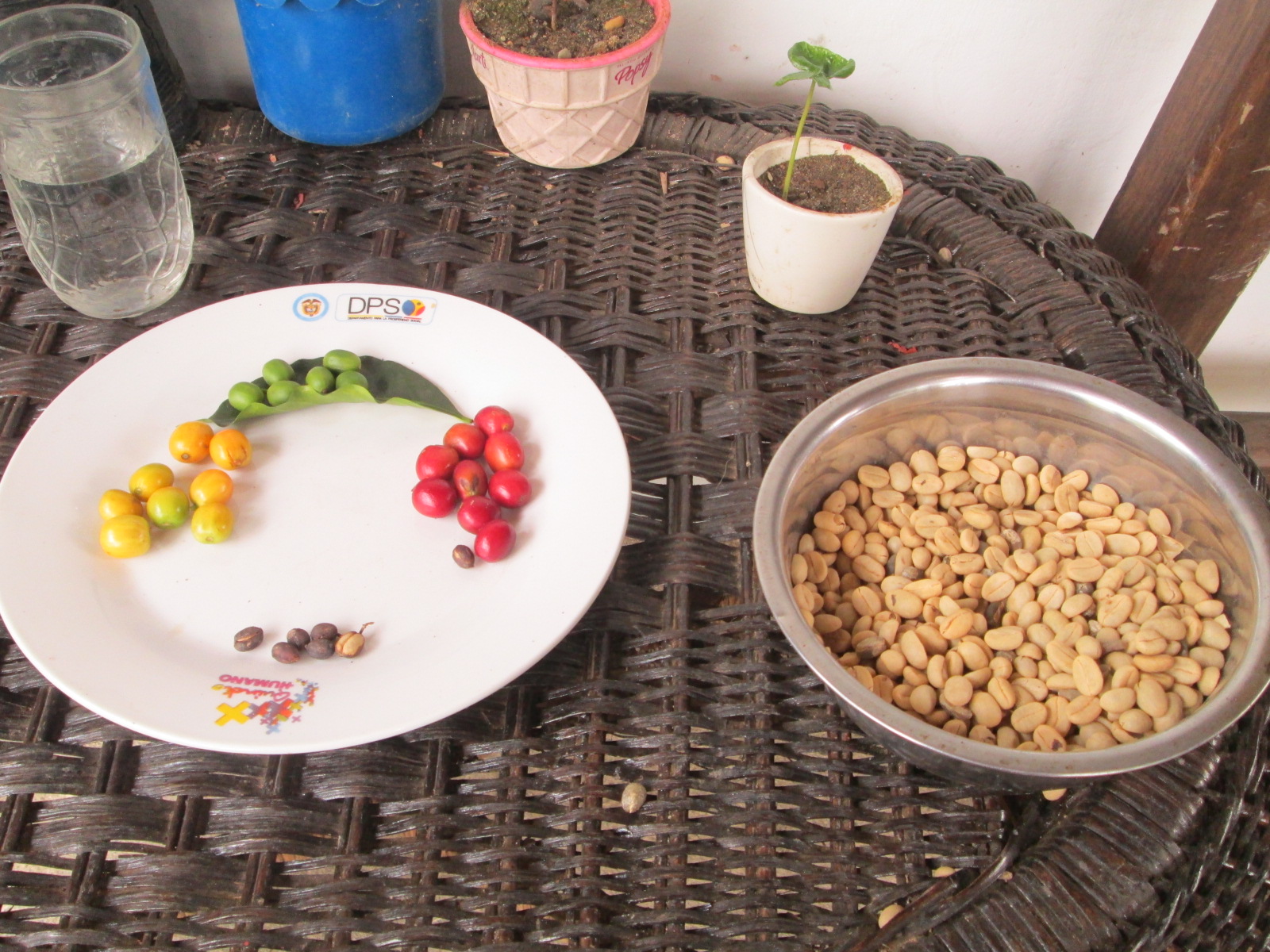
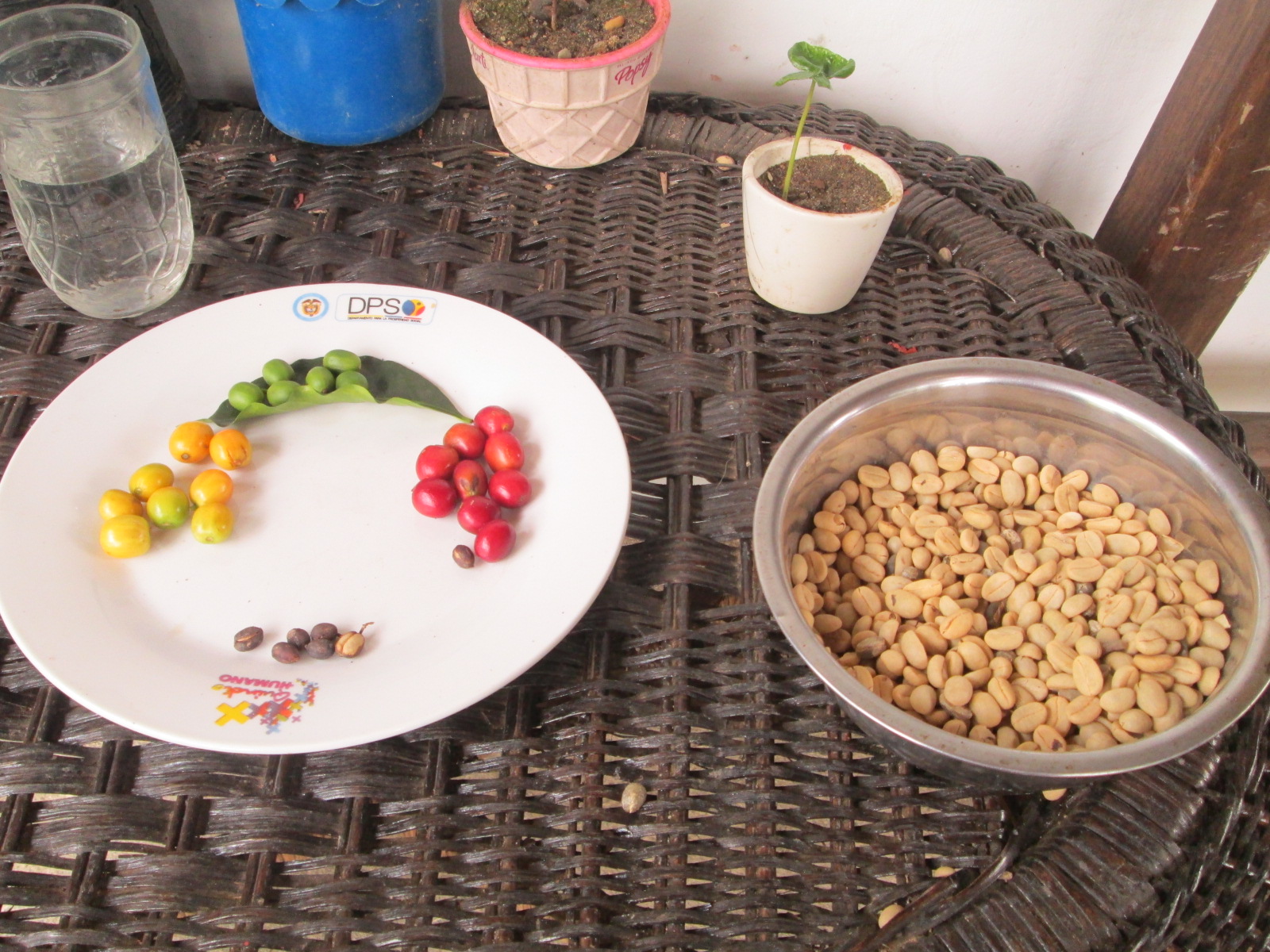
Coffee berries turn a deep, luscious red when ripe. This is when they are ready to be picked by hand.
The ones I picked were Arabica. There was something special about selecting each berry myself, knowing it would eventually end up as coffee in someone’s cup.
Drying Under the Sun
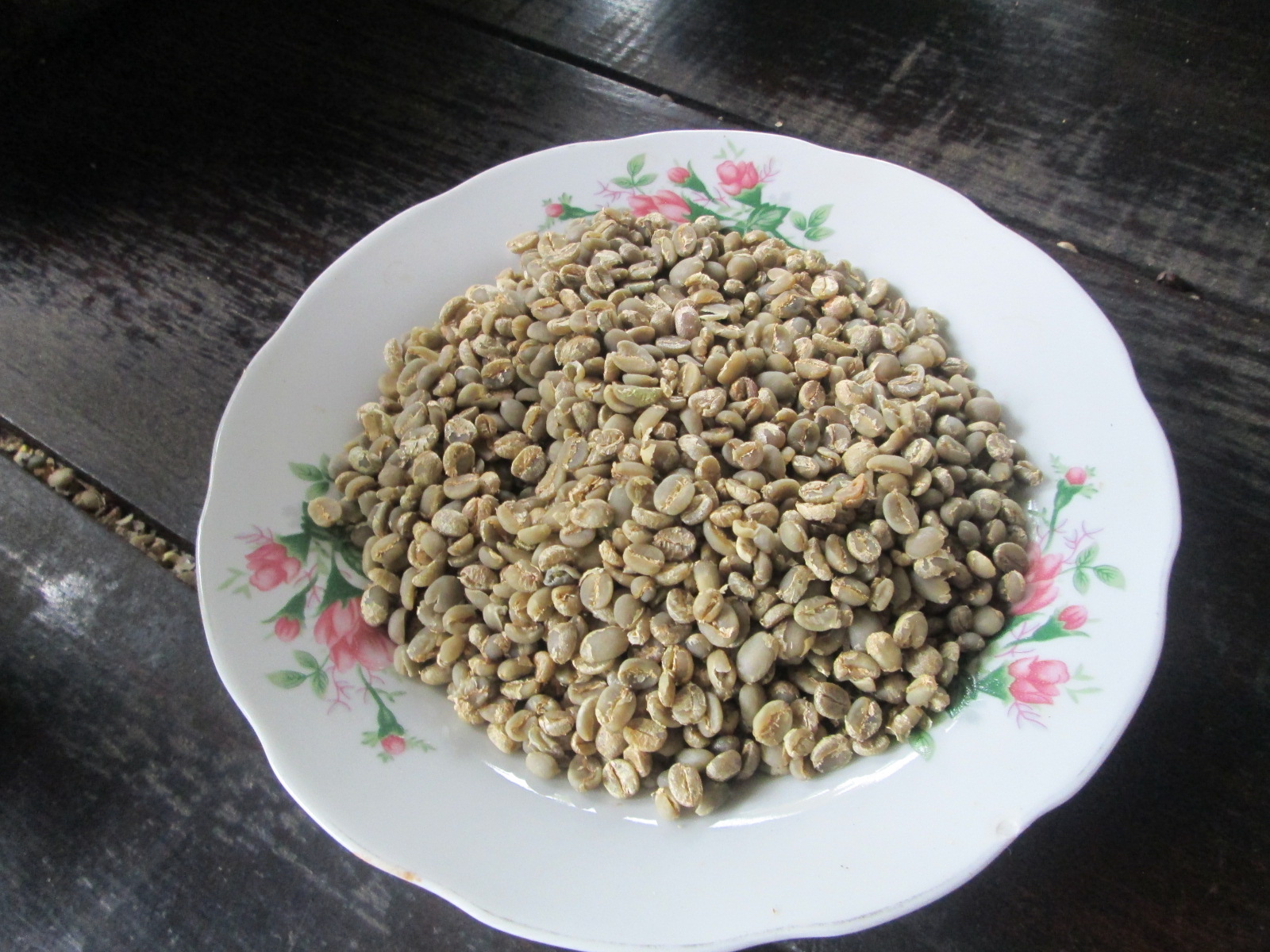
After picking, the berries are de-seeded to reveal, the green coffee beans. These beans are washed and then left to dry in the sun for several days. It’s a slow, natural process, essential for locking in flavor.
Since the beans I picked wouldn’t dry in time, we used sun-dried beans prepared earlier, so we could continue the process.
Hulling
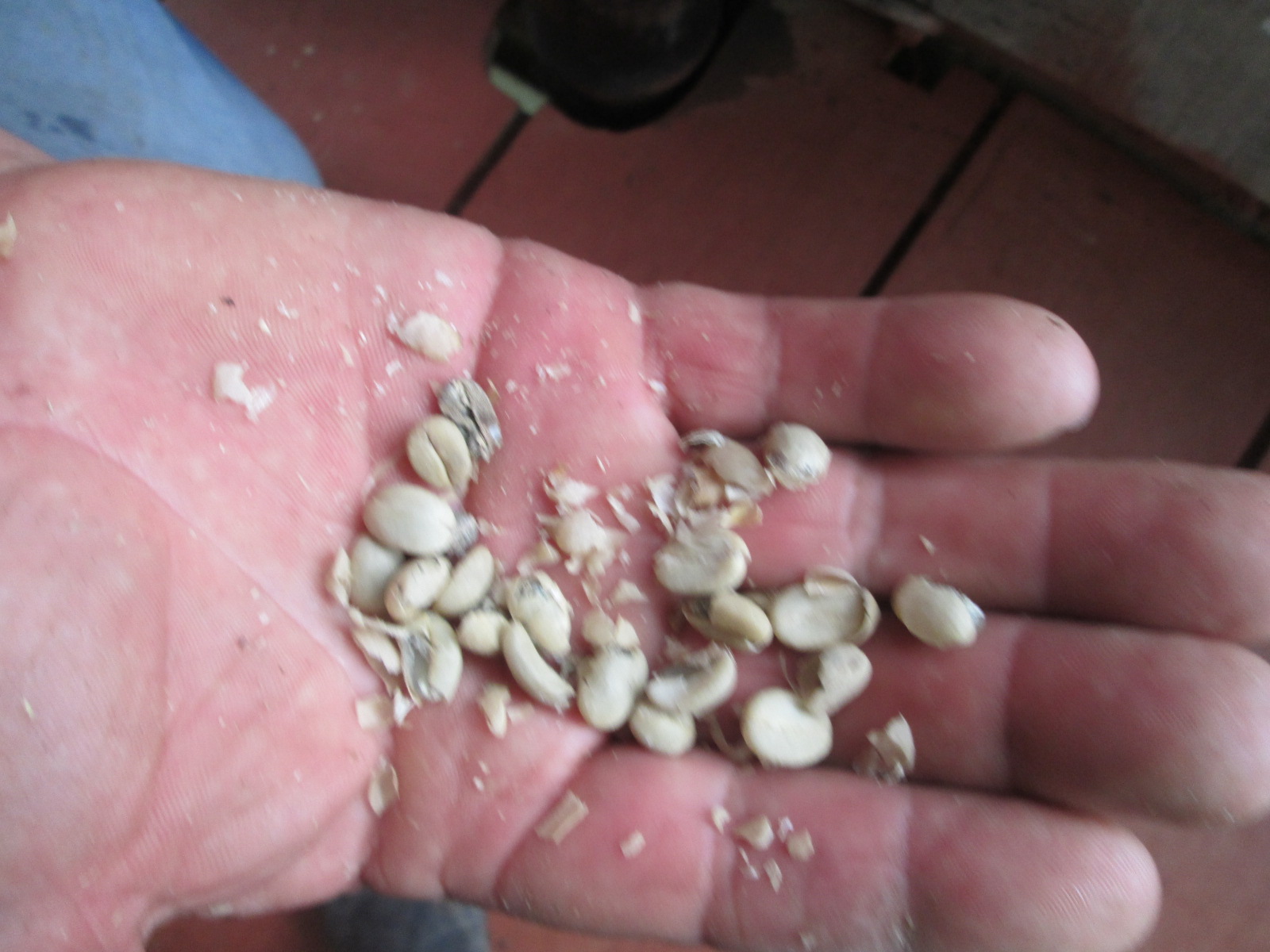
The dried beans were ready to be hulled — a process that removes the parchment layer or outer skin. This was done using a sieve, turned by hand. Simple, but effective.
Time to Roast
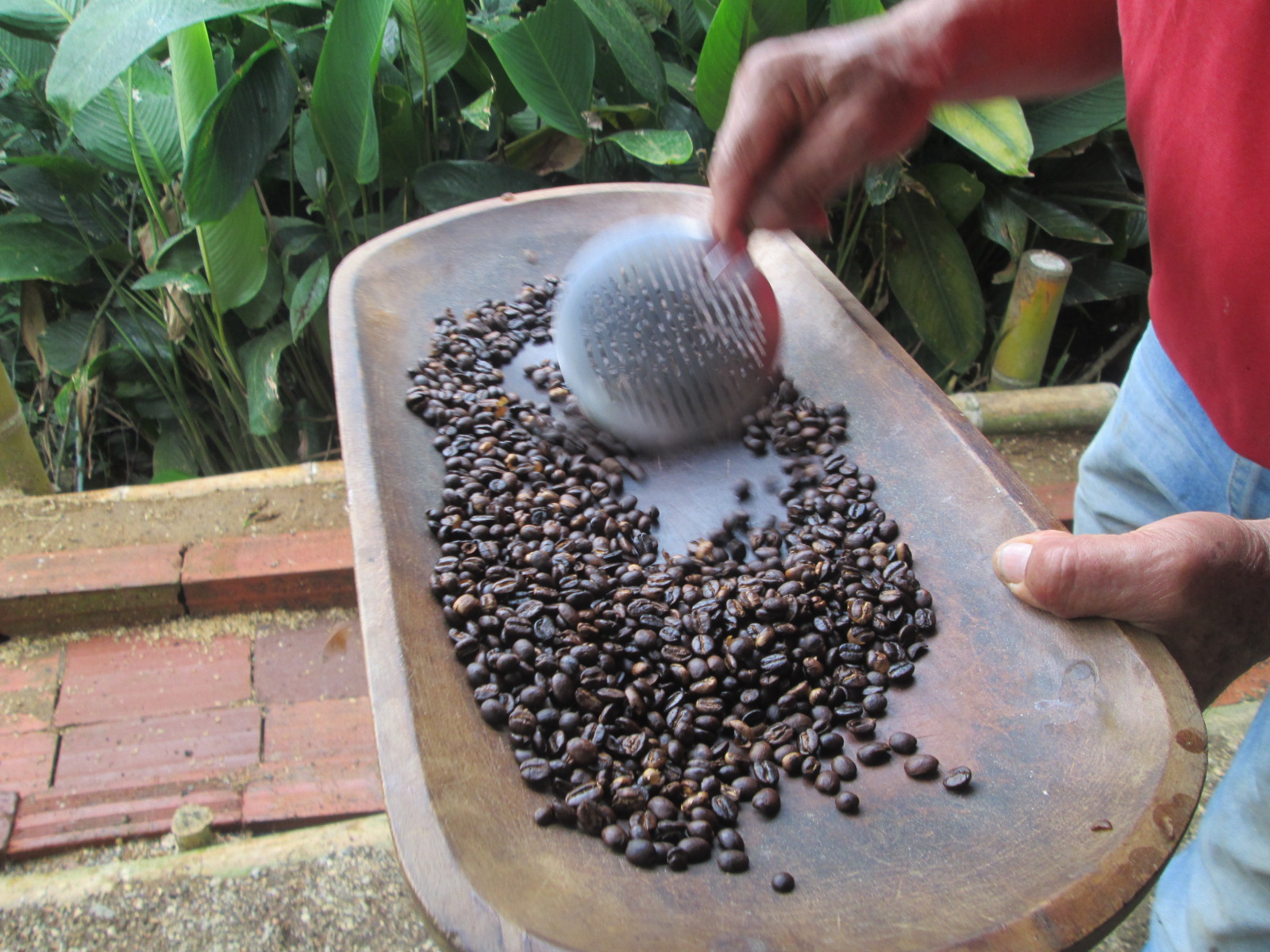
After the hulling, the beans were sifted and sorted, ready for roasting.
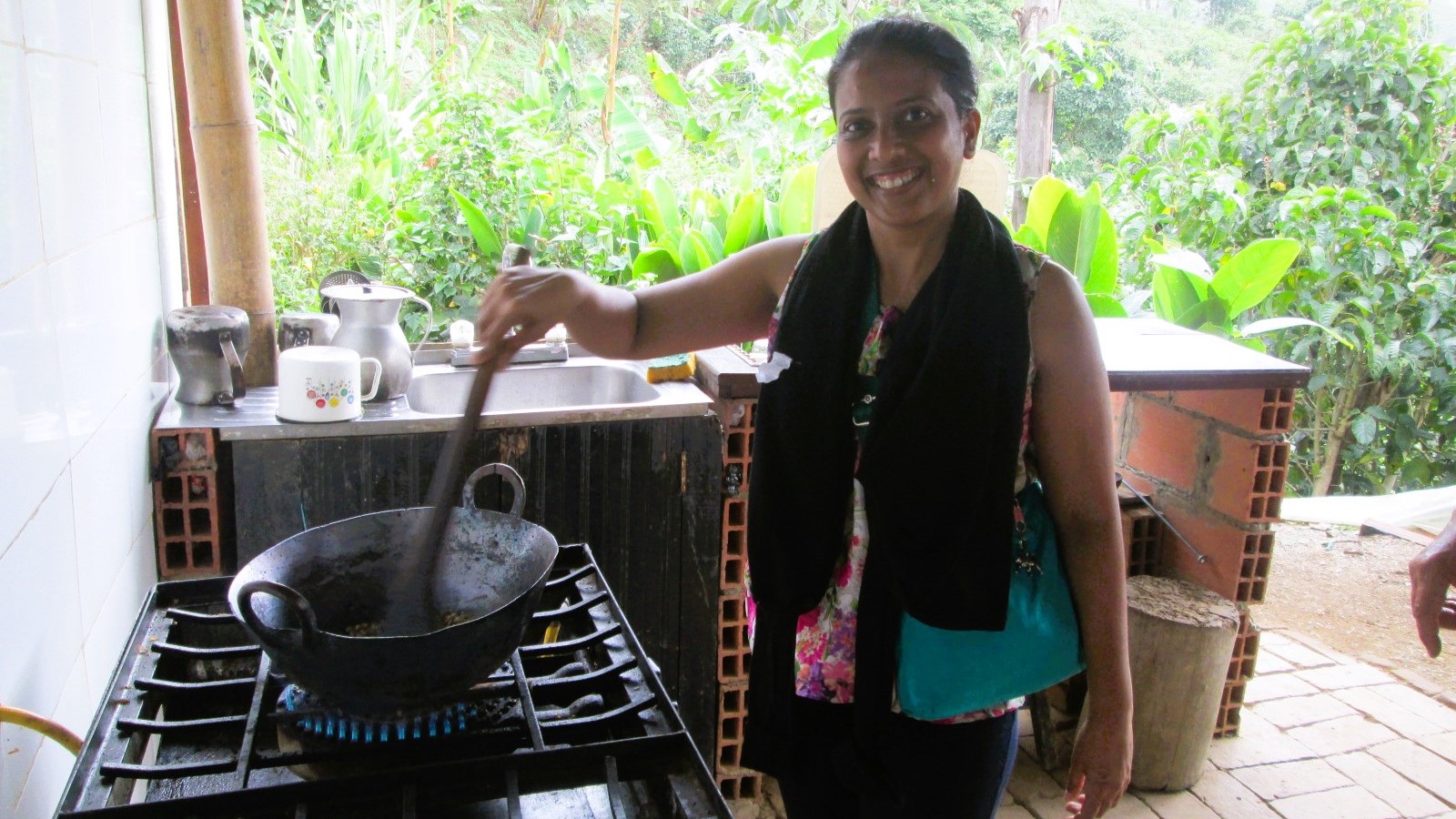
We used a traditional roaster, made from aluminum, to help enhance the flavor.
I heated it over a flame, dropped in the beans, and waited for that telltale crack — the sound of coffee beans transforming.
Roasting allows for flavor control. I chose a dark roast — bold, rich, and a little smoky. Whether light, medium, or dark, roasting your own beans is as satisfying as drinking the result.
Grinding the Goodness
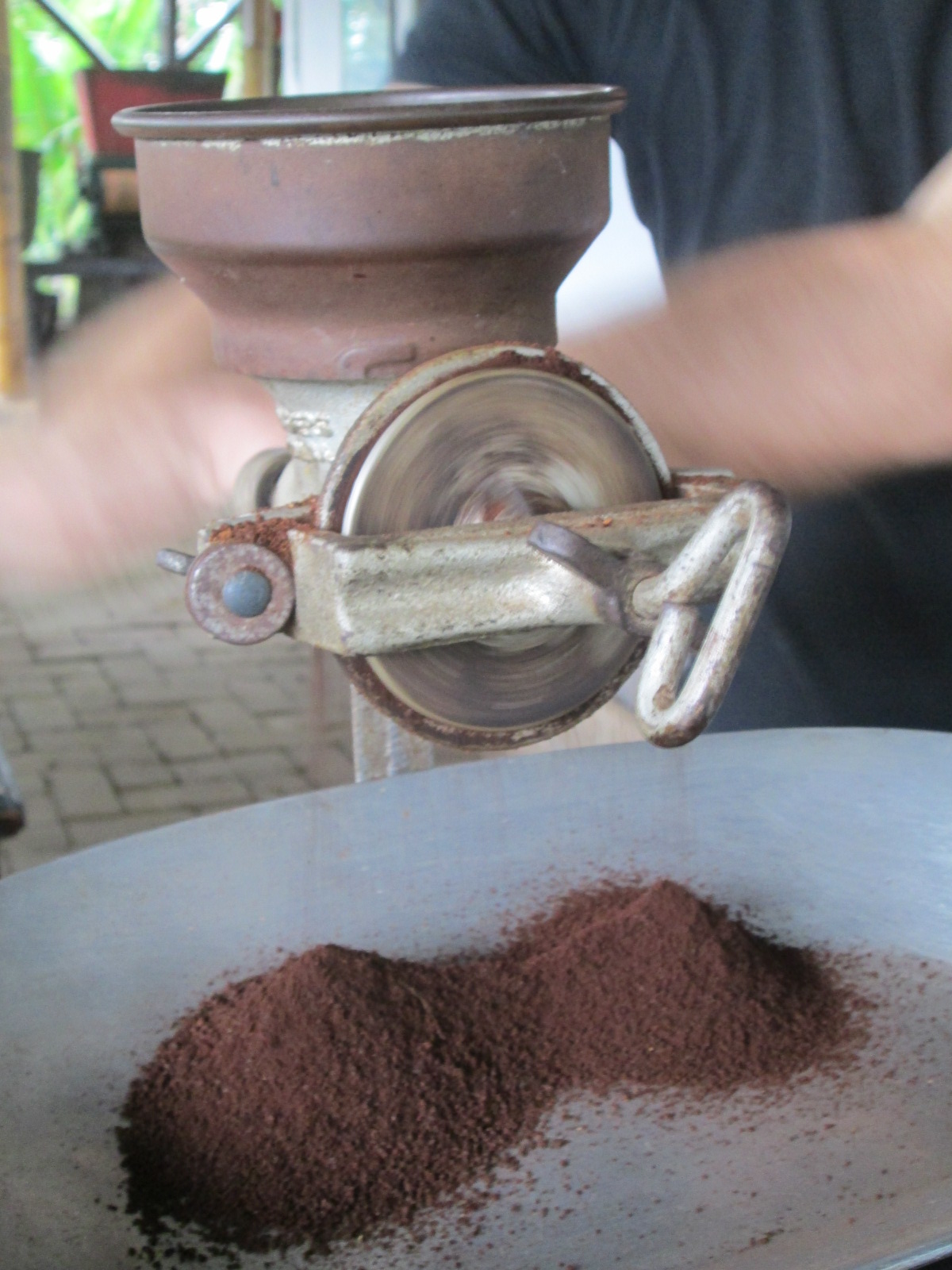
Freshly roasted beans are best ground right away. We used a manual coffee grinder, and every turn released a scent so intoxicating, it felt like therapy.
Earthy. Warm. Everything coffee should be.
Brew and Bloom
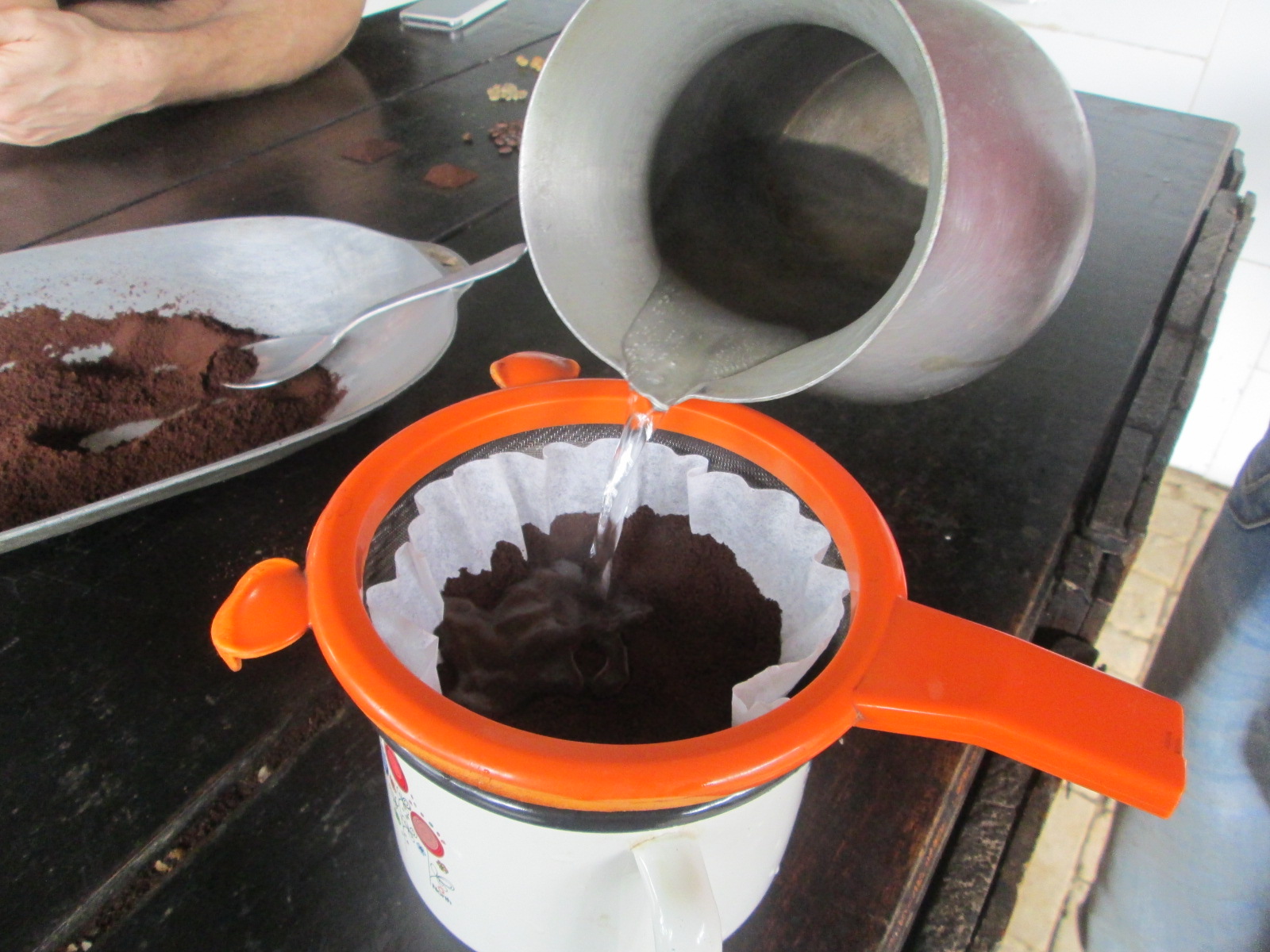
With the grounds ready, they were placed in a filter and hot water was slowly poured over them. As the water bloomed through the grounds, the aroma rose — floral, nutty, with just the right hint of chocolate.
This was the moment it all came together. Coffee isn’t just a drink — it’s a ritual.
First Sip — A Sensorial Dream
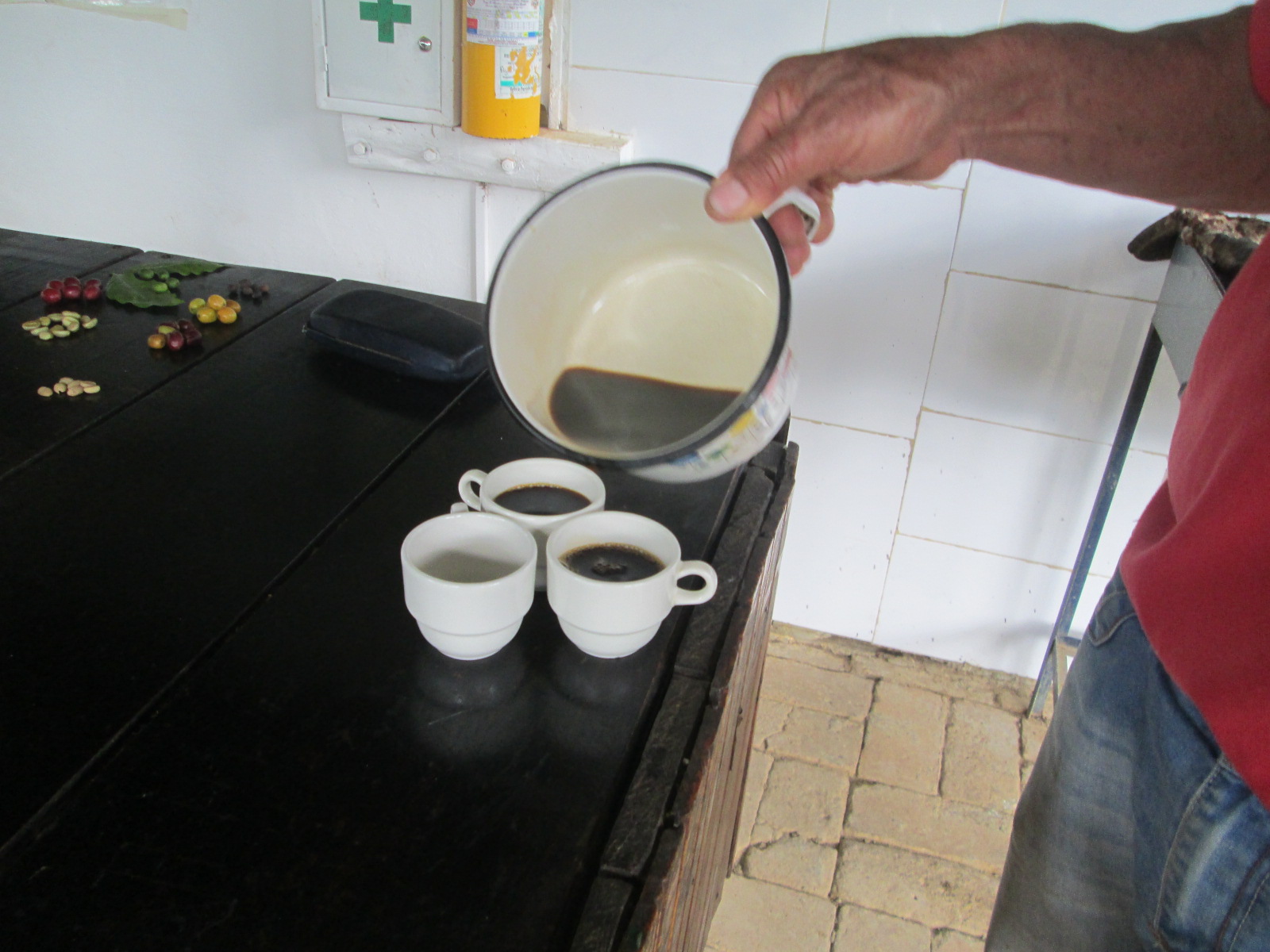
I brought the cup to my lips. First, the aroma — bold and complex. Then, the sip — silky-smooth, rich, and deeply satisfying.
The taste lingered. The experience stayed.
What elevated this moment wasn’t just the taste — it was the understanding of every step it took to get here.
There’s coffee — and then there’s real coffee.
Not the instant kind or a mass-produced latte.
But a cup brewed from hand-picked, sun-dried, roasted, and ground beans, made with intention.
If you ever get the chance to visit a coffee farm and walk the journey from berry to brew — do it.
Until then, brew slow, sip deeply, and never underestimate the power of a perfect cup of coffee.

 The Smiling Travellerr