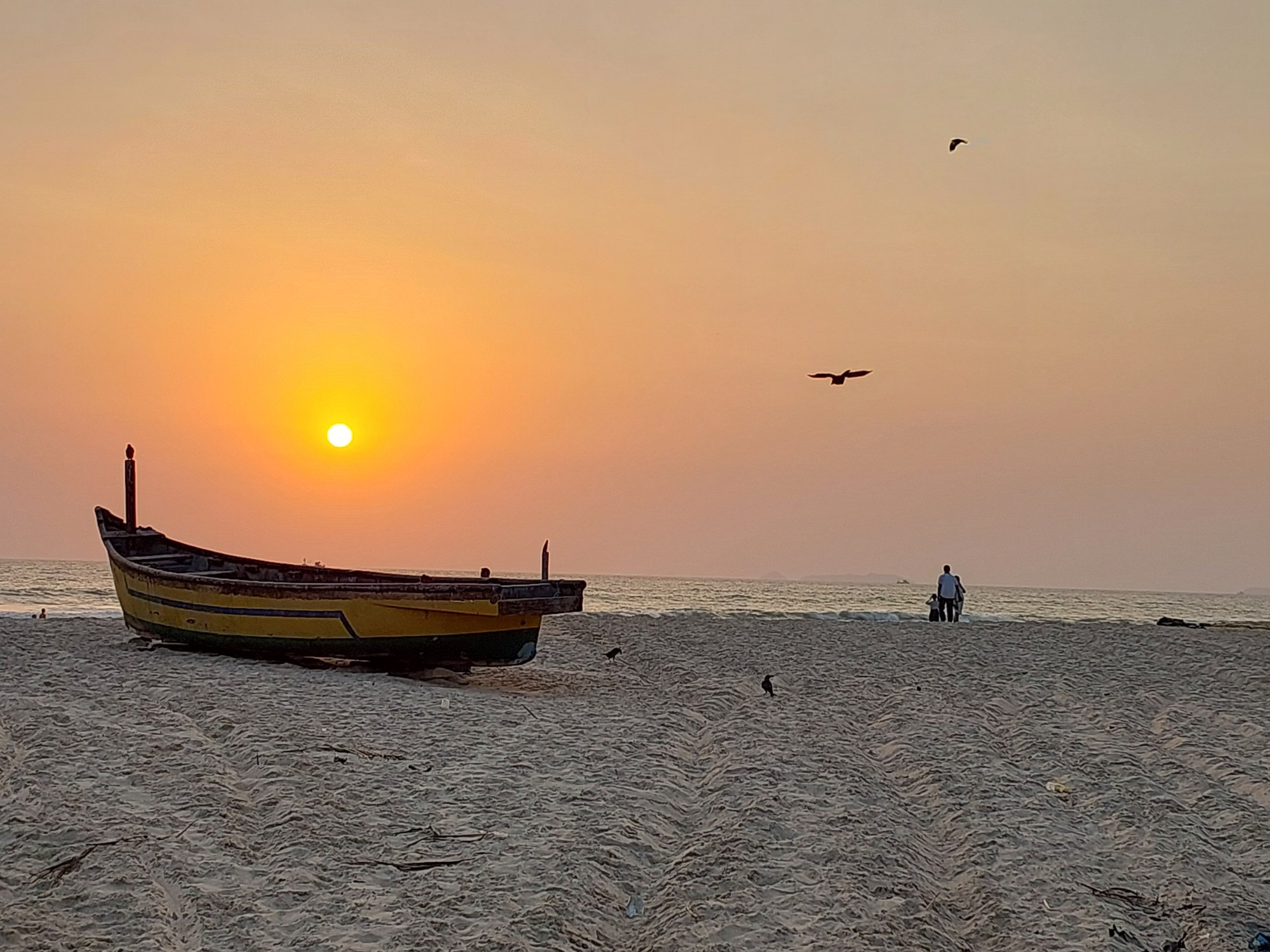
Fish is a staple food across the coastal regions of India, where it plays a vital role in the local diet and culture.
The abundance of fish in these areas has historically provided nourishment and livelihood for many communities.
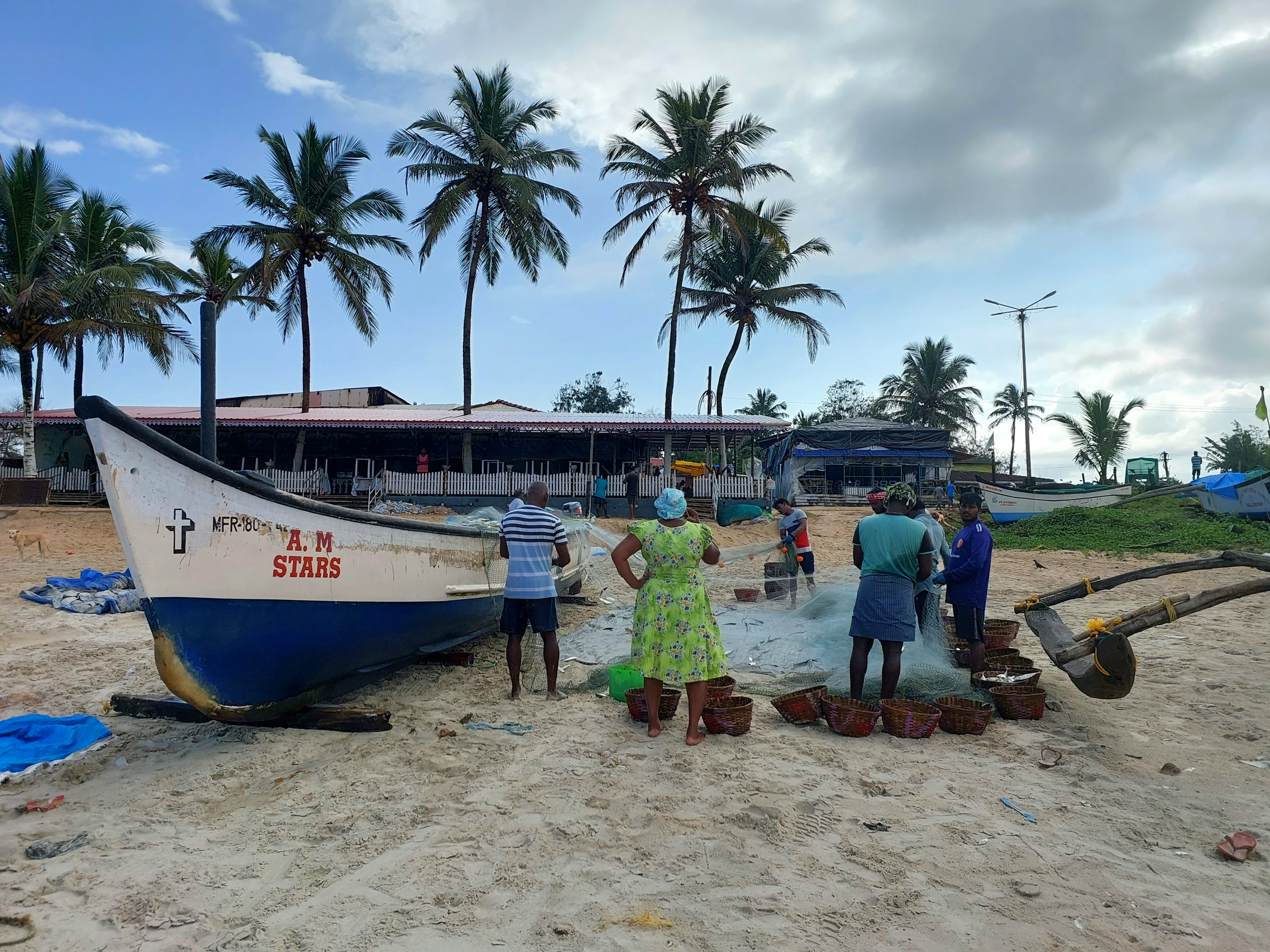
As fish consumption rises, particularly due to its perception as a healthier alternative to meat, the demand for fresh catch has led to overfishing.
This poses a serious threat to fish populations, raising concerns about the long-term viability of this essential food source.
Traditional fishermen along the coasts have recognized the importance of taking a break during the monsoon season. This allows the fish to breed, ensuring a sustainable supply for the future.
Moreover, the cultural practice of not consuming fish during the monsoons reflects a deep respect for nature and its cycles.
To address the seasonal lack of fresh fish, coastal communities have relied on traditional preservation methods, such as drying fish.
This practice has been followed since ancient times and involves several meticulous steps:
Cleaning: The fresh catch is cleaned thoroughly, the entrails are removed and the fish is washed inside out.
Salting: The fish is liberally coated with salt, both inside and out, to aid in preservation.
Drying: The salted fish is then laid out to dry in the hot summer sun. The fish is left to dry enclosed by fishing nets to protect it from birds and animals. This drying process can take about 3 to 4 days.
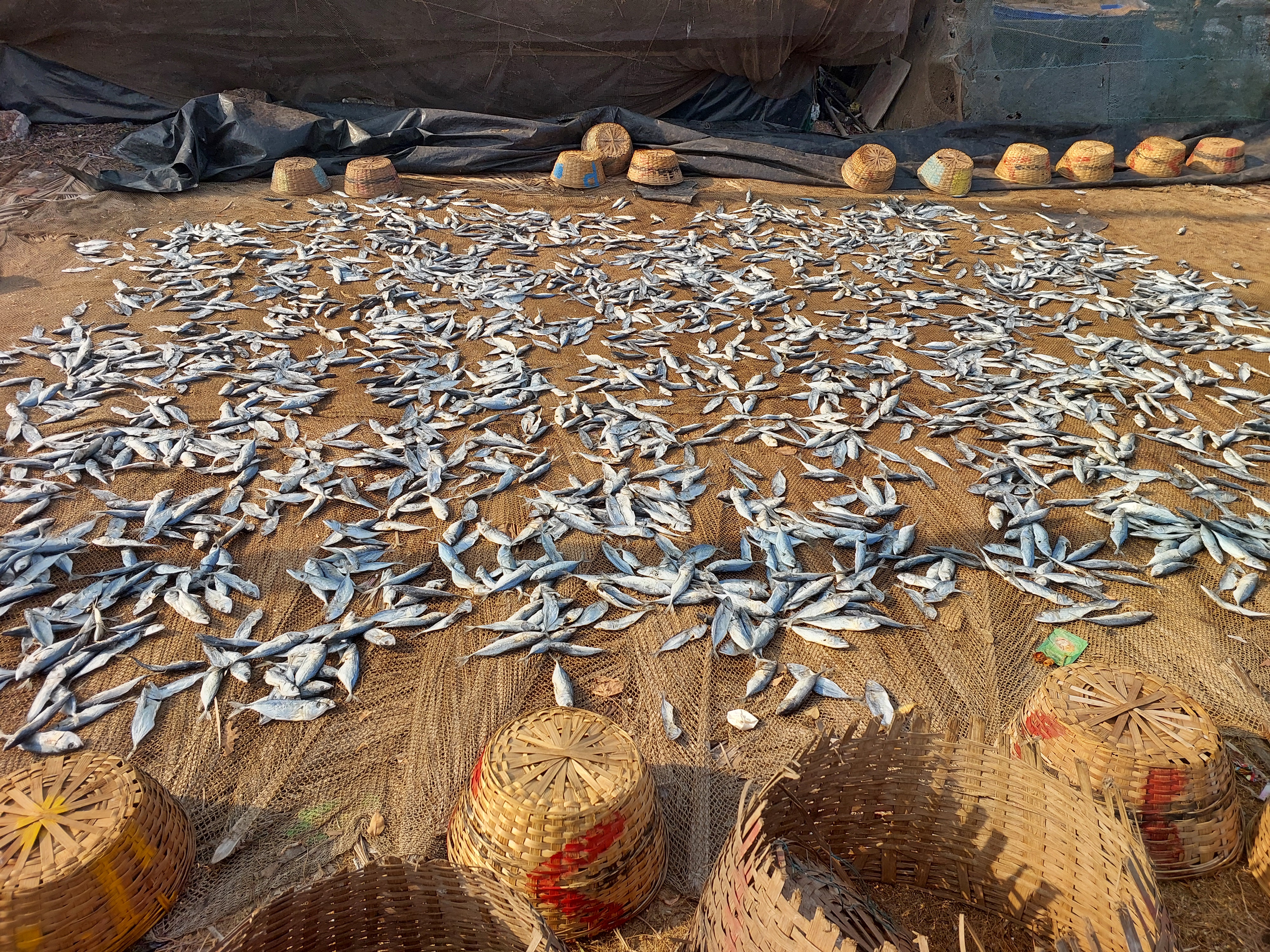
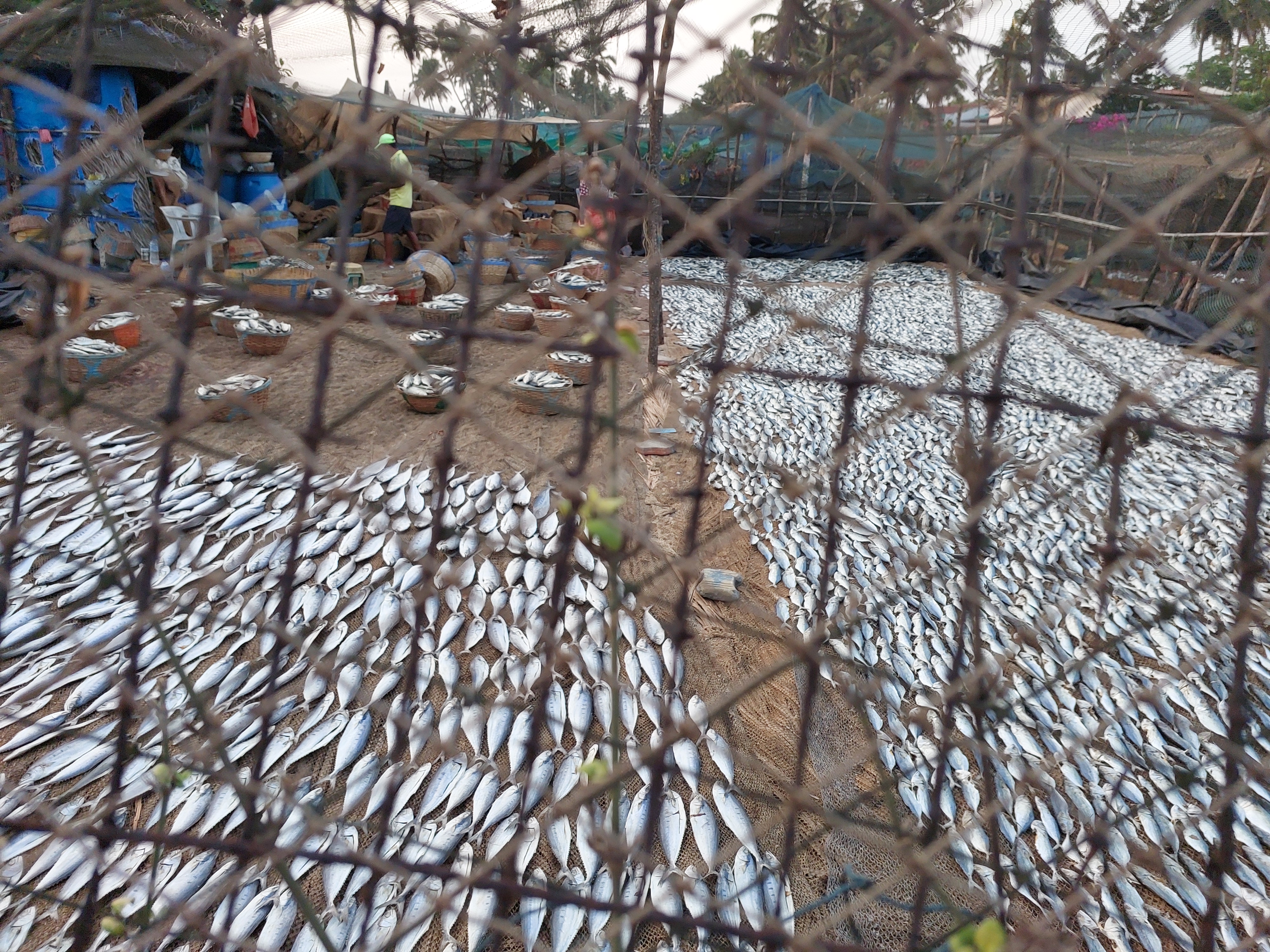
The dried fish lasts from 6 months to a year and develops deeper flavors, due to the drying process. It becomes a valuable ingredient during the wet season when fresh fish is unavailable.
Culinary Delights from Dried Fish
Dried fish, known as “sukhi” in Maharashtra and “khare” in Goa, is celebrated for its versatility in various traditional dishes.
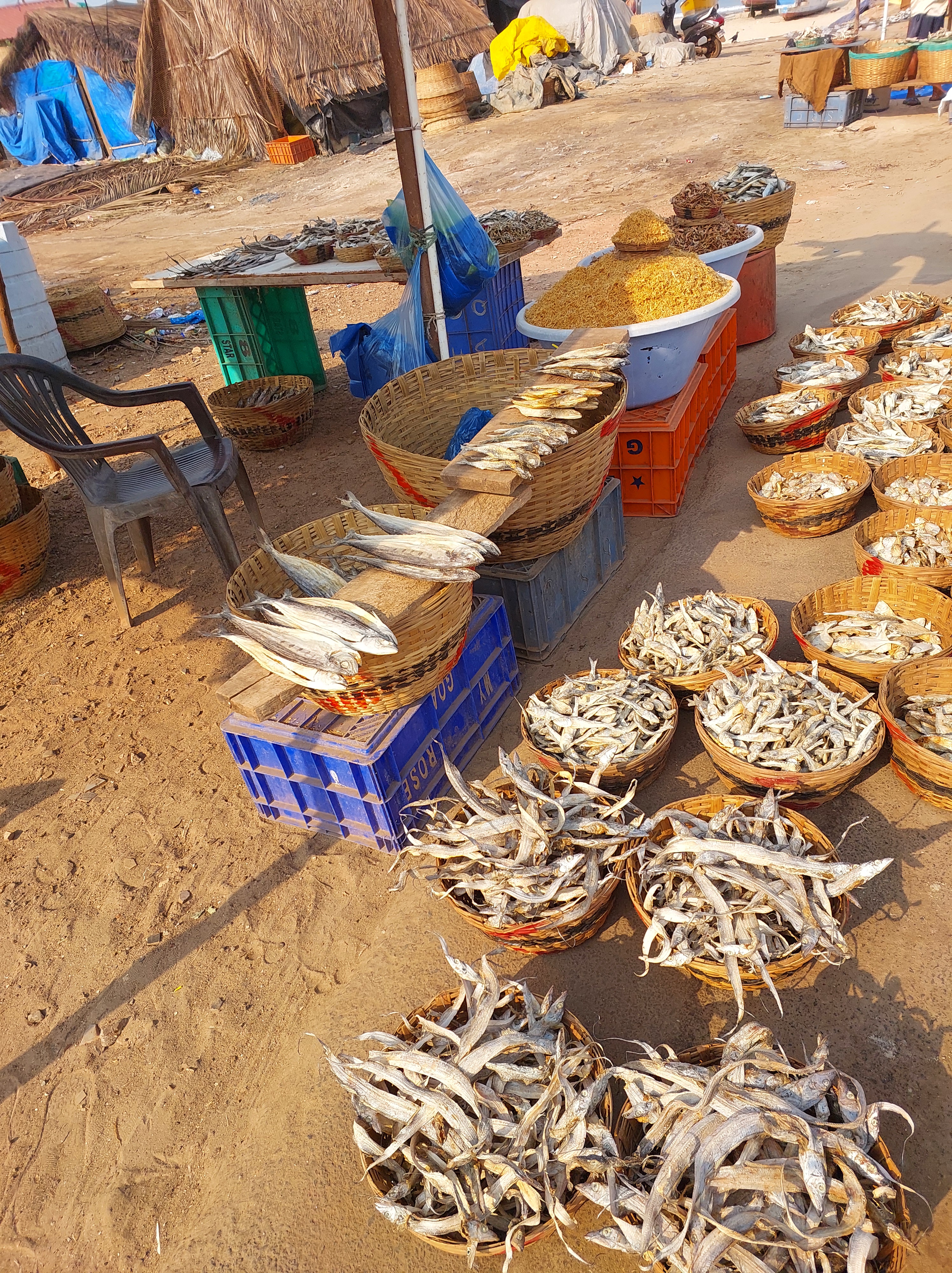
Here are a few popular preparations:
- Bangada Parra: Dried mackerel is marinated in spices and a tangy wet masala. It is shallow-fried until crispy, served with a comforting plate of dal and rice.
- Prawns Sukhat: Dried prawns soaked to soften, then sautéed with grated coconut and spices, best enjoyed with millet bread or bhakari.
- Bombil Chinchoni: Dried Bombay duck cooked with spices and served with hand breads (rice bread), a beloved dish among East Indian communities.
Feel free to share your own communal recipes in the comments.
Afterthoughts
The tradition of drying fish not only addresses the seasonal unavailability of fresh catch but also enhances the flavors, making it a cherished part of coastal cuisine.
By respecting traditional fishing practices and preservation methods, we can enjoy fish sustainably while supporting local communities.
As we savor these delicious dishes, let us also recognize the importance of sustainable practices to ensure that future generations can continue to enjoy the rich culinary heritage of coastal India.

 The Smiling Travellerr